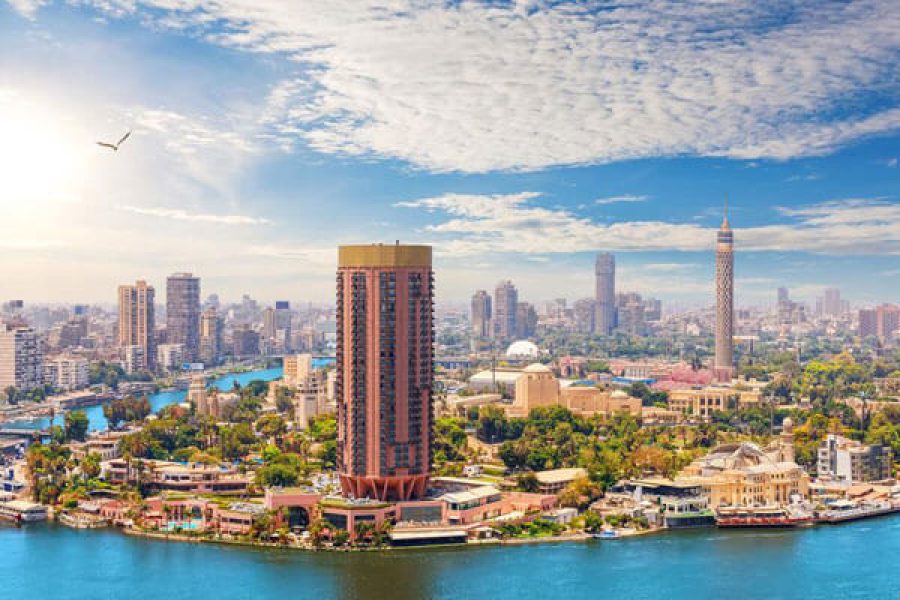
Historic Cairo is one of the exceptional cities in the world, characterized by the extraordinary survival of its architectural, artistic and urban heritage. This heritage fully expresses its long history and the diversity of its values.
Its siting at a historic crossroads of international trade routes from Europe, Asia and Africa fostered its prosperity as a political, cultural and economic capital.
The period between the 9th and 15th centuries – also known as the Islamic Renaissance – was a particularly golden age for the city, when pioneering scientists, doctors, astronomers, theologians and writers carried an influence and stature that stretched well beyond the Islamic World.
Historic Cairo still reflects its complex ‘medieval’ urban layout, which was respected and enhanced in later eras to accommodate population growth.
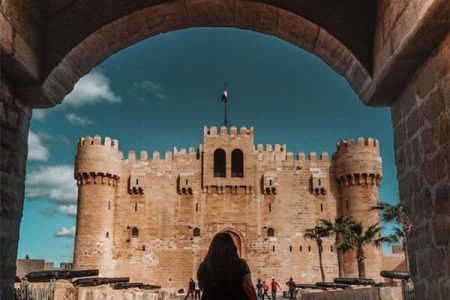
Cairo was founded as the headquarters of the Fatimid Caliphate in 969 AD. During the Ayyubid state (1176 AD), the citadel was established as the headquarters of government.
The Mamluk state (1250-1517 AD) saw the expansion and extension of Cairo’s cohesive urban fabric outside the walls of the Fatimid necropolis.
The 10th century Fatimid planning is the nucleus of the city, located inside the city fortification of Badr al-Gamali, with its remaining gates of Bab Zuwayla to the south, and Bab al-Nasr and Bab al-Futuh to the north.
This planning set the standard for later development and allowed future urban growth in the form of lanes representing residential "Harats" for different sects, races, and tribes.
Cairo became the most important city of the Ottoman Caliphate (1517-1805 AD).
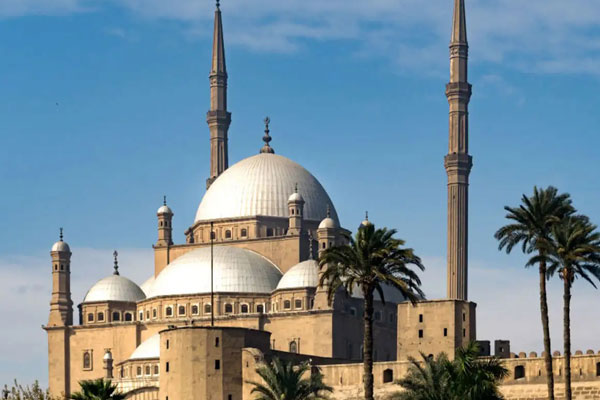
The distinctive and refined Fatimid architecture includes significant mosques such as Al-Azhar, Al-Hakim, Al-Aqmar and Salih Tala’i, mausoleums, shrines, and private dwellings, all of outstanding importance to the history of significant Islamic art and architecture.
Historic Cairo developed further in the Ayyubid and Mamluk eras when it became the largest, most complex urban Islamic city in medieval times and the capital of a vast empire.
The streets were characterized and known by different types of activities and names according to the handicraft centers and the markets they pass through.
Subsequently, the Ottomans maintained these religious buildings and the medieval urban patterns while enriching Islamic architecture with new landmarks built following local traditions.
The building of a new Cairo in the 19th century allowed Historic Cairo to remain largely intact.
Subscribe to see secret deals prices drop the moment you sign up!